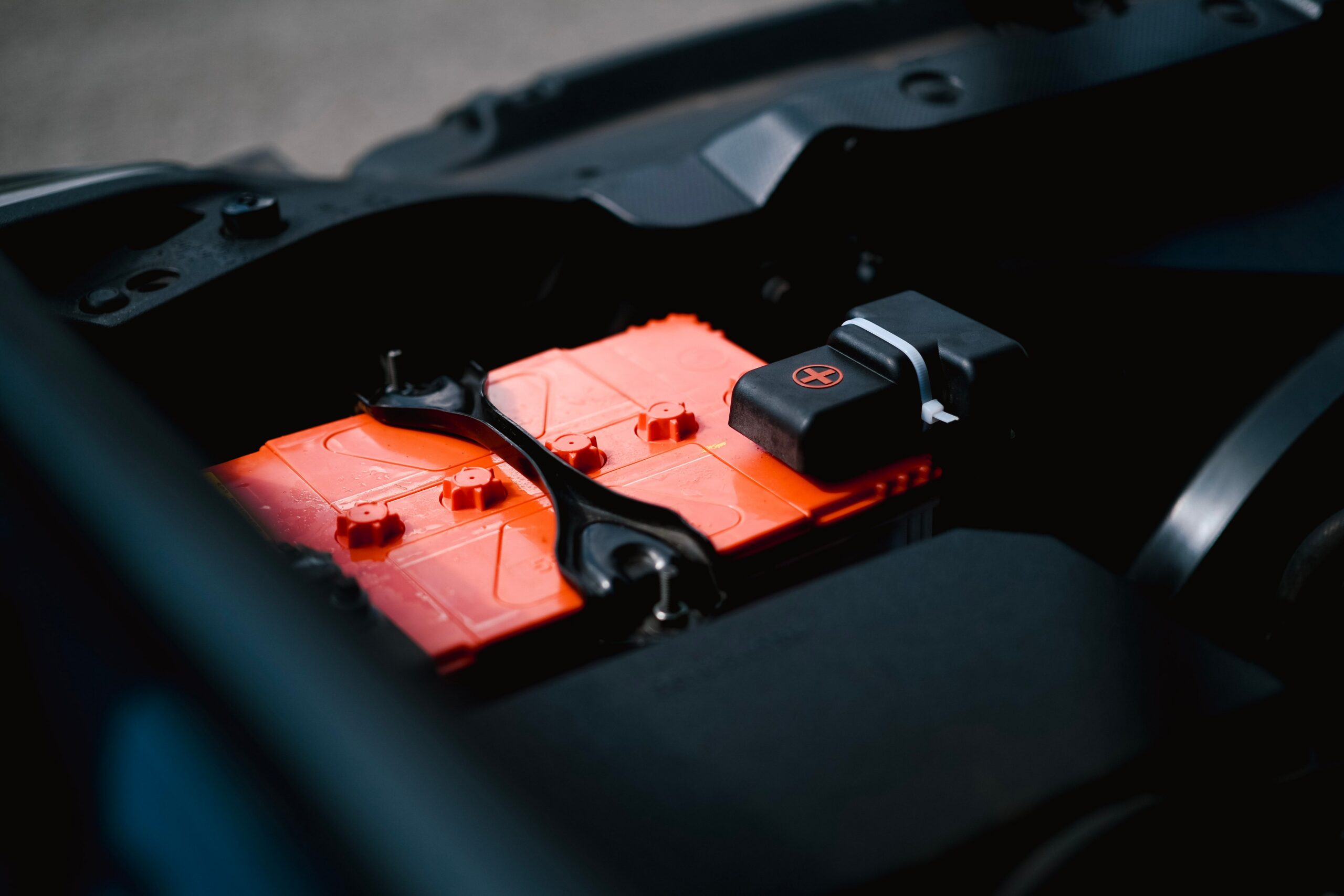
A car battery’s job is to supply the vehicle with electrical energy needed to start the engine and to power electrical equipment. As the battery wears, starting may become slower, electrical equipment may be disrupted, or one morning the vehicle may not start at all. Battery problems often appear when cold weather arrives, as starting power decreases and the engine needs more energy to start.
One of the most common signs of a weakening battery is slow engine cranking. If the starter turns the engine over more slowly than usual or it takes longer to start, the battery may not be able to deliver enough cranking current. The issue may be especially clear in the mornings after the car has stood overnight. In cold weather the battery’s ability to deliver energy decreases and a worn battery may no longer manage to start the engine. If starting becomes progressively slower, it’s worth having the battery tested. However, slow cranking can also be caused by faults in the starter or electrical connections.
Dimmer-than-usual headlights, more sluggish electric windows or other electrical glitches can also indicate a weakening battery. Such symptoms tend to appear when the engine is off and electrical equipment is running solely on stored battery power. If light intensity changes with the engine running, the cause may instead lie with the alternator or the vehicle’s charging system. Therefore you cannot decide to replace the battery based only on the behaviour of the electrical equipment.
If the car repeatedly needs a jump-start or the battery discharges quickly after charging, its capacity may have decreased. As a battery ages, it gradually loses the ability to store electrical energy and deliver the current needed for starting. Repeated discharge does not necessarily mean the battery is worn out. A constant parasitic draw, a faulty alternator or very short journeys that don’t allow sufficient recharging can also be to blame.
You can initially assess the battery’s condition visually. If the case is swollen, cracked, or leaking fluid, the battery may be damaged and using it may no longer be safe. Whitish or greenish corrosion on the battery terminals can impair the electrical connection and cause starting issues. Corrosion does not automatically mean the battery needs replacing, but the connections should be checked. A damaged or leaking battery should not be charged by yourself. In such a case you should consult a specialist.
The typical service life of a standard car starter battery is generally around three to five years, but the actual lifespan depends on battery type, driving habits, temperature, and the condition of the vehicle’s electrical system. Some batteries work without issues for longer, while in unfavourable conditions a battery may need replacing sooner.
Frequent short trips are particularly hard on a battery, because the energy used to start the engine may not be fully replenished during a short drive. If the car stands unused for a long time, the battery can also gradually discharge. Temperature fluctuations also affect battery life. High temperatures accelerate battery ageing, while cold reduces cranking ability. That’s why a battery that performed adequately in summer may suddenly fail at the first autumn frosts. If the battery is over three years old, it’s sensible to have it checked before winter. Battery age alone, however, is not sufficient reason to replace it.
To assess a car battery’s condition, voltage measurement and specialised battery testers are used. Measuring voltage gives an initial view of the state of charge, but does not show precisely how much cranking ability has declined over time. Readings are affected by battery type, temperature, and how long the battery has stood since charging or driving.
It’s important to understand that a normal voltage does not necessarily mean a healthy battery. A worn battery may show an acceptable voltage after charging, yet its actual ability to crank the engine may be significantly reduced. For a more thorough assessment a specialised battery tester is used to check cranking performance. One of the most important indicators is cold cranking current, i.e. CCA (Cold Cranking Amps), which describes the battery’s ability to deliver the current needed to start the engine at low temperatures.
If the measured cranking performance is significantly lower than the battery’s specified value, this may indicate wear. The alternator charging voltage and the vehicle’s electrical system should also be checked if needed, because the cause of starting problems may not lie in the battery itself.
If the car won’t start, it doesn’t necessarily mean the battery must be replaced immediately. First determine whether the battery is simply discharged or whether its ability to store and deliver energy has permanently diminished.
If, however, the battery loses its charge quickly even after a full recharge, or can no longer deliver the necessary cranking current, its service life may be over. Such a battery cannot be restored to its former condition by charging alone. The key difference is that a discharged battery is not necessarily a worn battery. The battery may be technically sound, but its state of charge is too low to start the engine. A worn battery, by contrast, may no longer provide sufficient cranking power even when fully charged.
If the battery repeatedly goes flat after charging, the alternator and possible electrical faults must also be checked. For example, a faulty alternator may undercharge the battery while driving. An electrical device may also draw current while the car is parked. Professional battery testing helps distinguish low state of charge from actual wear. This makes it possible to decide whether charging is sufficient, an electrical fault needs fixing, or the battery must be replaced.
In winter the load on the battery increases for several reasons. Low temperatures slow the chemical reactions inside a lead-acid battery, reducing its ability to deliver high cranking current.
At the same time, a cold engine needs more energy to start. Engine oil becomes more viscous at low temperatures and the starter has to work harder to turn the engine. In addition, electrical accessories are used more often in winter, such as seat heaters, the heated rear window and the cabin fan. On short journeys the alternator may not be able to fully replenish the energy used for starting and for powering electrical equipment.
Cold weather is therefore not always the root cause of battery failure. It often simply makes the problems of an already worn or insufficiently charged battery more noticeable.
It’s worth checking the battery’s condition before cold weather arrives, especially if the battery is several years old or the car has become slower to start.
A check is also necessary if the battery has gone flat several times in a short period, the car repeatedly needs a jump-start, or there are disruptions in the operation of electrical equipment. If a warning light with a battery symbol illuminates on the dashboard while driving, this may indicate a charging system fault. In such a case you should not assume that replacing the battery will solve the problem. The charging system should be checked at the first opportunity.
Preventive battery checks make it possible to detect reduced cranking ability before the car can no longer start. This is especially important in winter, when even a small drop in battery performance can cause starting problems.
If the car starts slowly, the battery repeatedly goes flat, or its reliability raises doubts, it’s worth having the battery professionally checked. The battery testing, sales and replacement offered in Carstop workshops helps determine whether the existing battery is still serviceable or needs replacing.
When replacing a battery, it’s important to choose one with technical specifications suitable for the vehicle. You need to consider the battery’s dimensions, capacity and cranking current. For vehicles with a start-stop system the manufacturer’s requirements for battery technology must be followed, and in some cars the new battery must also be registered in the vehicle’s control system after replacement.
If you suspect your car battery is nearing the end of its service life, contact your nearest Carstop workshop. Timely battery checks help prevent unexpected starting issues and determine whether charging, replacement or electrical system repairs are needed.

Carstop newsletter
Service reminders, useful advice and campaign offers straight to your inbox.