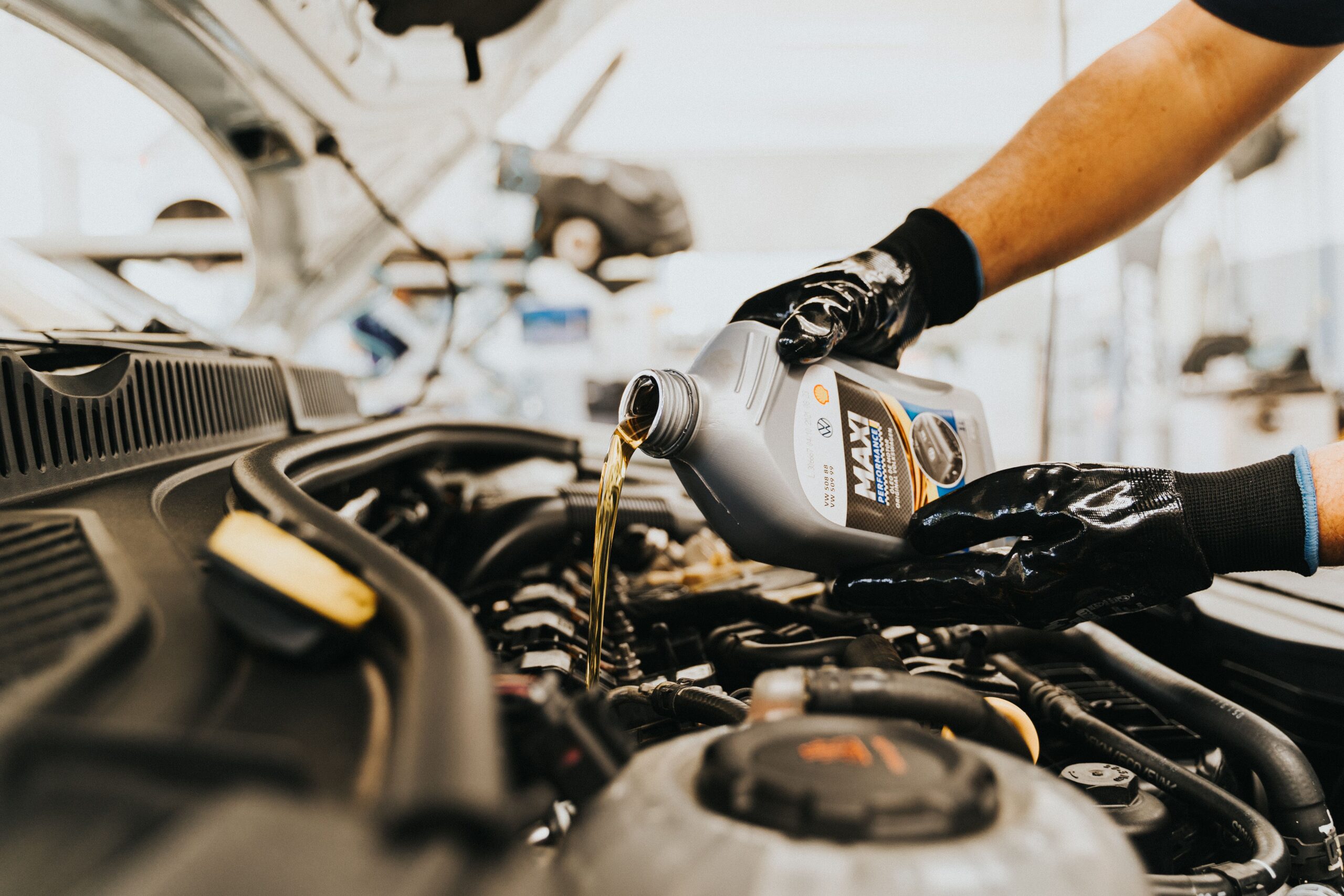
An automatic transmission makes driving more comfortable, but it needs attention just like the car’s other important components. Most people are used to changing the engine oil, but often only think about the transmission oil when gear changes become abrupt or the car starts to jerk during acceleration.
The timing of an automatic transmission oil change depends on the type of transmission, the manufacturer’s servicing instructions and the vehicle’s operating conditions. There is no single replacement interval suitable for every car. One car may require servicing after a specified mileage, while another may depend more on how heavily it is used. The correct interval should therefore be found in your car’s service information rather than based on a recommendation for another model.
Transmission oil does more than lubricate moving parts. Depending on the transmission’s design, it helps transmit power, control the operation of hydraulic systems and carry heat away from components. The oil’s properties and correct quantity therefore have a direct effect on how the transmission operates.
The oil deteriorates during use, and wear particles may accumulate in it. High temperatures and heavy loads can accelerate this process. Therefore, the fact that the car still changes gear smoothly does not provide a complete picture of the oil’s condition.
Servicing at the right time helps maintain the conditions required for the transmission to operate correctly. However, new oil cannot restore worn components. Servicing and repairs serve different purposes, and if problems have already developed, their cause must first be identified.
In general, it may be recommended to change automatic transmission oil every 40,000–100,000 kilometres, depending on the type of transmission. However, this range should not be treated as a rule that applies to every car: the specific service interval may be shorter or longer, and for some transmissions the manufacturer does not specify regular changes under normal operating conditions.
First, check the car’s service schedule. If it specifies both a mileage and a time limit, servicing must be carried out according to whichever comes first. If there is no time requirement, you should not add one yourself based on a general recommendation.
When planning the next service, you also need to know the mileage and date of the previous oil change. The car’s current odometer reading alone does not show how long the oil has been in use. For example, a car that has covered 180,000 kilometres may have had its transmission oil changed recently, or it may still contain the factory-fill oil.
The same mileage can place very different loads on a transmission. Regularly towing a heavy trailer, driving with heavy loads and frequently driving in congestion may be among the severe operating conditions defined by the manufacturer. Under such conditions, the service schedule may specify more frequent oil changes than usual.
It is therefore worth describing how you use the car when booking a service. What matters is not only how many kilometres you drive each year, but also the conditions in which you cover them. Daily urban driving, taxi work and towing a caravan can affect servicing requirements in different ways.
Winter use does not in itself mean that the transmission oil in every car should be changed twice as often. You should follow the instructions for the specific car and the operating conditions described in them. A workshop can help compare the conditions described in the servicing instructions with your driving habits.
Conventional automatic transmissions, dual-clutch transmissions and continuously variable transmissions, or CVTs, operate on different principles. The oil used, service intervals and oil-change procedures may therefore differ. Oil intended for one transmission may not be suitable for another.
The terms DSG or DCT alone do not determine all servicing requirements either. The specific version of the transmission is important. The same car model may have been fitted with several different transmissions in different years or with different engines.
It is therefore worth including the registration number or VIN in your quotation request so that the workshop can check the car’s details. If the transmission has previously been replaced, mention this as well. This helps avoid a situation where servicing is planned solely according to the car’s original factory specification.
The term lifetime oil can often cause confusion. For some transmissions, the manufacturer does not specify regular oil changes under normal operating conditions, but the servicing requirements may differ under more severe conditions.
This term must therefore be read together with the rest of the servicing instructions. It does not automatically mean that leaks, the oil level or changes in transmission operation can be ignored. Nor can it be claimed that the oil in all such transmissions must be changed after one specific mileage.
If a workshop recommends servicing earlier than stated in the car’s service schedule, ask for the reason behind the recommendation. This will help you understand whether it is based on operating loads, the condition of the transmission or additional preventive maintenance.
Abrupt gear changes, a longer delay than usual when engaging drive or reverse, and the feeling that the engine speed is rising but the car is not accelerating as expected all require attention. You should also visit a workshop for an inspection if you notice a new, unusual noise or a visible fluid leak.
These issues do not automatically mean that an oil change will be sufficient. The cause may be the oil level, the control system or mechanical wear. The problem must first be identified to select the correct work.
The oil’s colour alone cannot be used to determine whether it needs changing. Oils may have different colours when new and become darker during use. However, a burnt smell or unusual contamination requires further assessment. The oil’s condition must be considered together with the service history and the transmission’s operation.
When buying a used car, it is worth checking the transmission’s service history separately. A note in the sales advert stating “oils changed” or a general service invoice does not necessarily mean that the transmission oil was also changed. Look for a document stating the work performed, the mileage and the materials used.
If there is no proof, do not calculate the time remaining until the next service based on an assumed change date. First, have the servicing requirements for your transmission checked and discuss with the workshop whether additional diagnostics are needed before changing the oil.
It is particularly important to describe any symptoms you have already noticed. Say whether the jerking occurs when the car is cold or warm, when moving off or at higher speeds. This information helps make an informed decision about how to proceed with servicing. After the work, keep the invoice and have the next recommended service date recorded.
With conventional draining and refilling, the part of the oil that flows out of the system during the work is replaced. Some of the old oil may remain in other parts of the transmission. A dynamic oil change uses equipment that can replace a larger proportion of the oil circulating in the system.
The suitable method depends on the transmission’s design, servicing instructions and condition. A dynamic oil change is not automatically necessary for every car, and a conventional oil change is not necessarily insufficient. What matters is that the selected procedure meets the requirements of the specific transmission.
In addition to the oil, servicing may include replacing the filter, seals or oil sump with an integrated filter. This work depends on the design and servicing instructions. It is therefore worth checking everything included in the service rather than comparing quotations solely by the number of litres of oil to be replaced.
Request a quotation based on your car’s details and include its current mileage and known service history. The quotation should state which oil will be used, which spare parts will be replaced and which work is included in the price. This makes it easier to compare different quotations.
Correct filling is just as important as using the right oil. Many modern automatic transmissions do not have a conventional dipstick, and checking the level requires a specific procedure and temperature range to be followed. Adding transmission oil is therefore not as simple as topping up the windscreen washer fluid.
If you do not know when your car’s transmission oil was last changed or which service interval applies, see Carstop’s transmission oil change service and send an enquiry with your car’s details. To plan servicing correctly, it is necessary to know your car’s requirements, the work previously carried out and the transmission’s current condition.
Carstop newsletter
Service reminders, useful advice and campaign offers straight to your inbox.